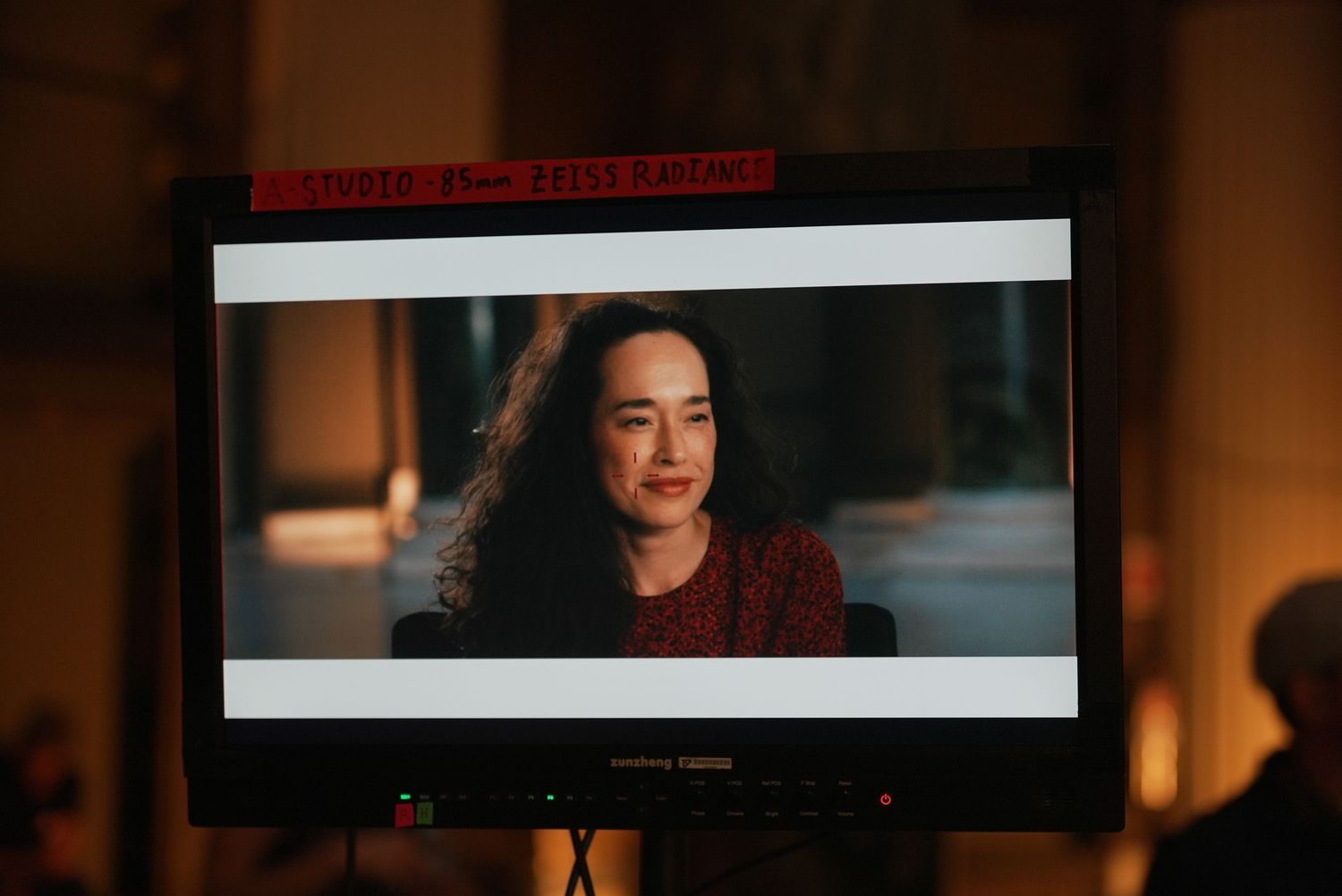
The ASC
The American Society of Cinematographers (ASC), founded in 1919, is dedicated to advancing both the science and art of cinematography. Its legacy began with the merger of the Cinema Camera Club of New York and the Cinema Camera Club of California, uniting professionals committed to elevating visual storytelling. Over a century later, the ASC continues to fulfill that mission by nurturing the next generation of image-makers through cultural, educational, and professional initiatives.
The ASC’s work directly resonates with my career path. Although I earned a Bachelor of Arts in Mass Communication with a concentration in Film, Television, and Radio, much of my academic training focused on broadcast television, technical directing, and news production. As one of the few film-track students in my program, I adapted by mastering broadcast fundamentals while maintaining my passion for cinematic storytelling.
Today, I frequently visit the ASC’s website as part of my continued professional development. I am particularly drawn to the ASC Master Classes, which represent the pinnacle of technical and creative instruction in the field. Since childhood, I have aspired to become a filmmaker, and as an adult, I am realizing that dream step-by-step through refining my craft, studying the masters, and pursuing excellence in the art and science of cinematography.
Fred Murphy, ASC
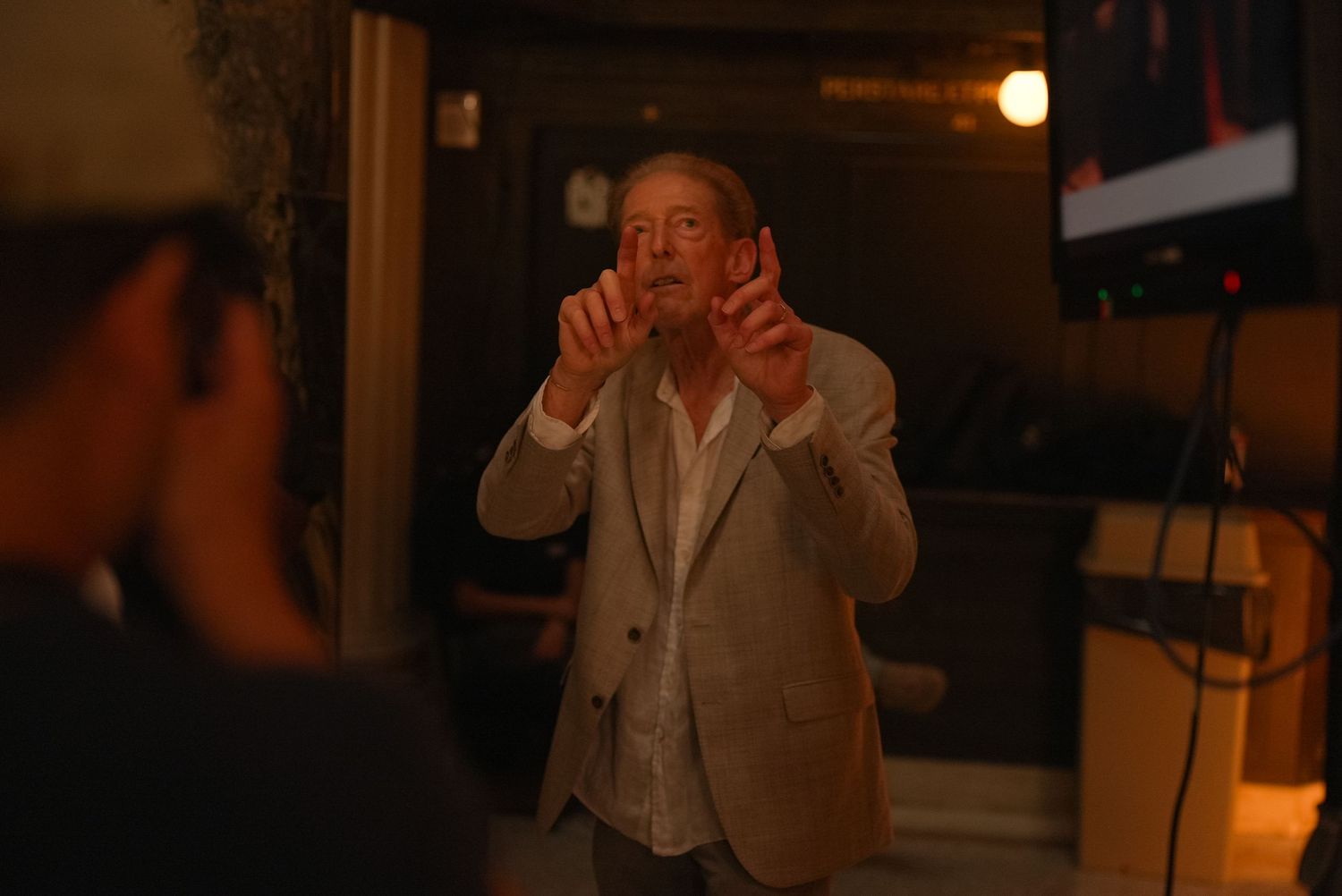
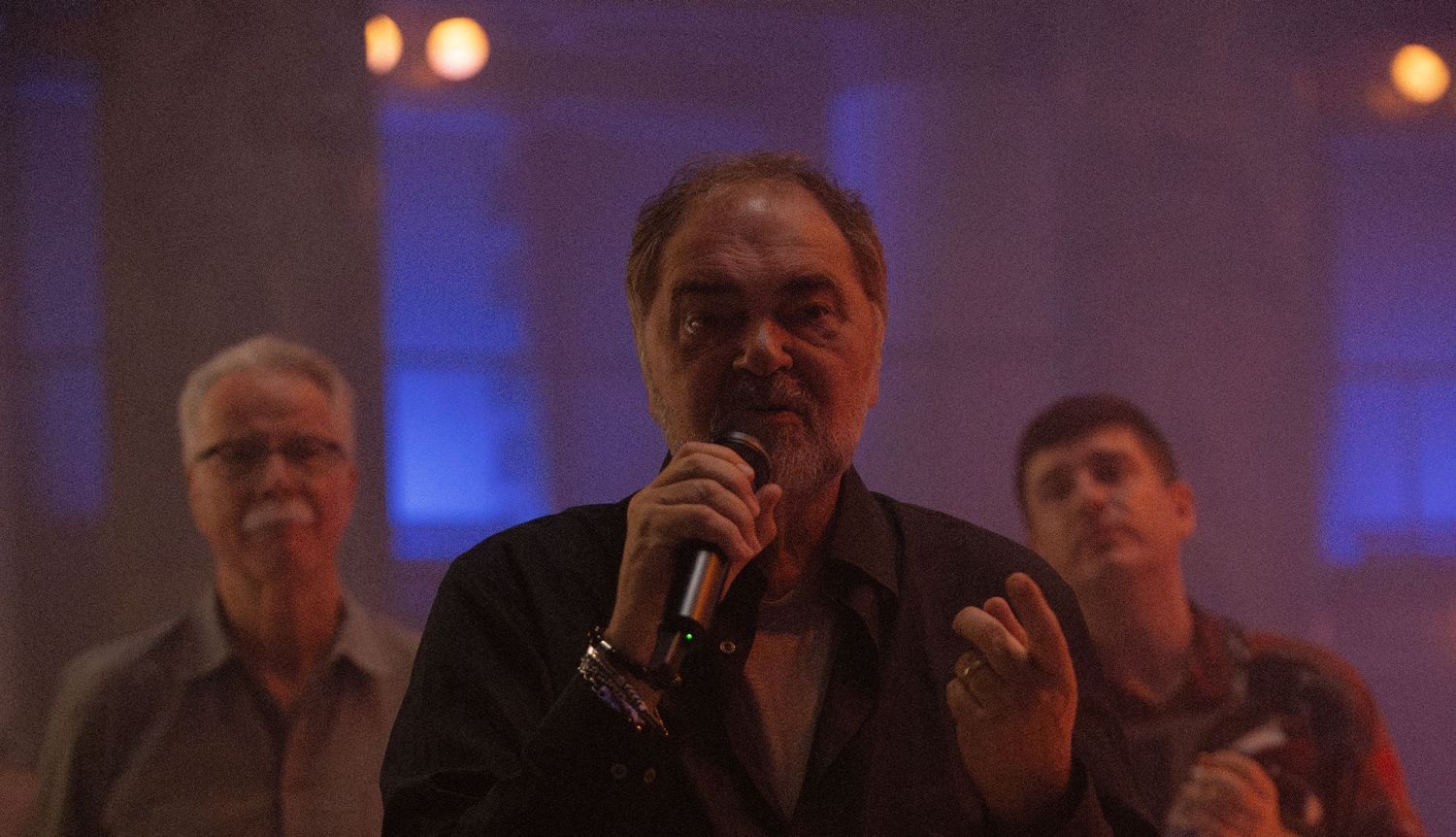
It is not every day that one meets a legend. Emmy Award–winning cinematographer Fred Murphy, ASC, is renowned for his work on Echoes (1999), Secret Window (2004), and the television series Evil. His filmography reveals a clear affinity for the eerie and the suspenseful, showcasing a career defined by his ability to craft atmosphere through light and movement.
Fred joined our ASC Master Class to demonstrate how he and his production crew transformed the Bronx Community College’s Gould Memorial Library into a dark, haunting environment for Evil. Over the course of four hours, he revealed his extraordinary command of visual storytelling by taking the same location and reimagining it in the opposite direction by channeling a whimsical, almost Disney-like scene.
Watching Fred work was both educational and inspiring. His communication with the camera department, gaffer, grip, production design, and sound teams was seamless as he orchestrated a continuous shot involving two actors, a Steadicam operator, a 1st AC, and a 2nd AC.
What impressed me most about Fred was his candor and attentiveness to detail. He was unafraid to call out moments that did not align with his vision, yet did so with an authority grounded in experience rather than ego. At one point, it felt as though he transferred his creative energy to the Steadicam operator, Billy, who confidently guided the actors on their movements and timing to achieve stronger takes.
Julio Macat, ASC
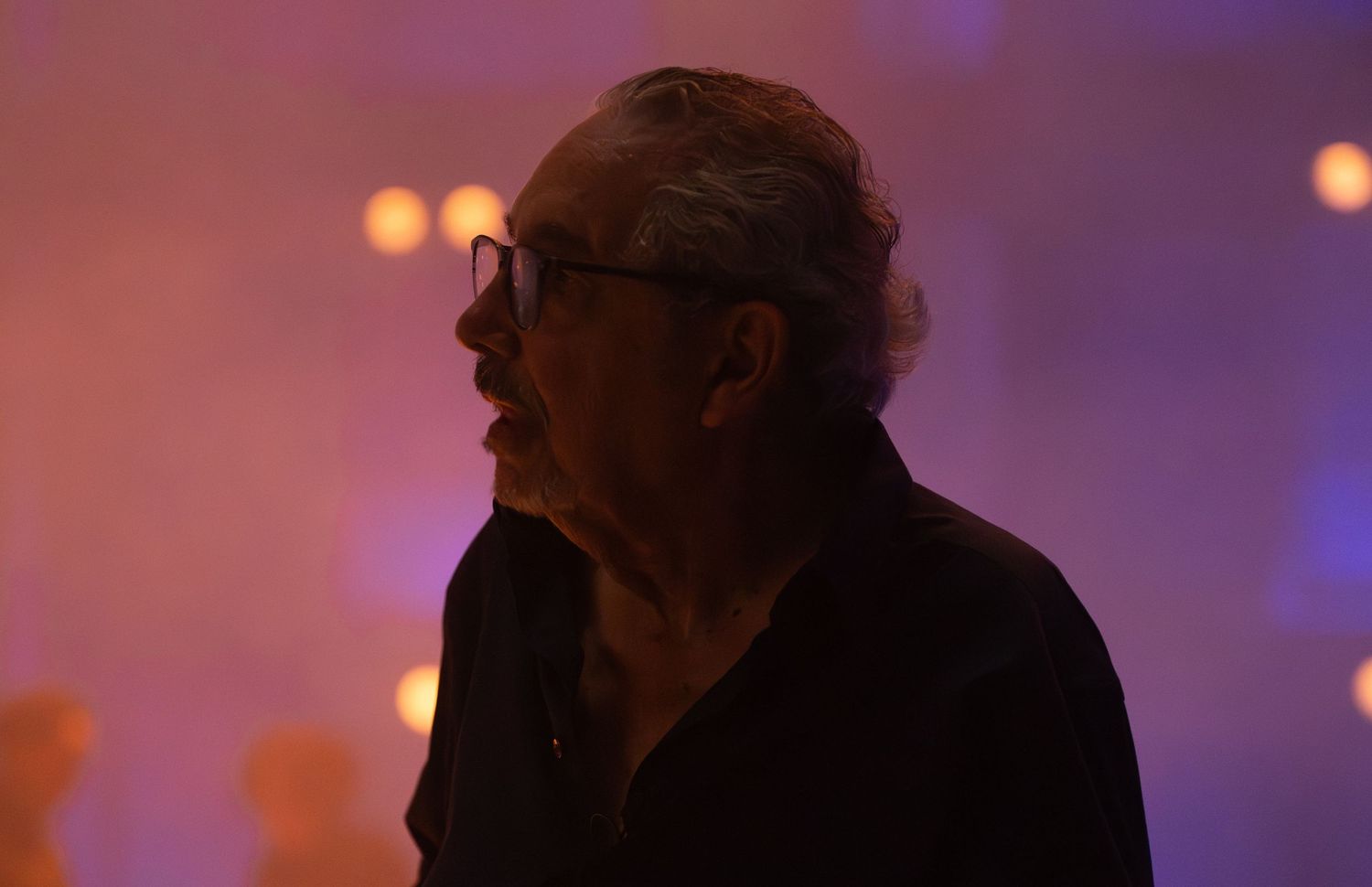
After our break from the first half of the ASC Master Class, we were introduced to another legend—our second instructor of the day—Julio Macat, ASC. He is best known for his work on iconic cinematic comedies such as Home Alone (1990), Ace Ventura: Pet Detective (1994), The Nutty Professor (1996), Crazy in Alabama (1999), and Pitch Perfect (2012).
The atmosphere of the class shifted from reverent awe to focused intensity. Julio, like Fred before him, worked in the same room, transforming the space within minutes through an entirely different lighting approach. The grip and electric team executed his direction with remarkable precision and speed, performing like seasoned professionals at the top of their game.
We immediately dove into the technical aspects of cinematography. Julio emphasized that “we are problem solvers as Directors of Photography,” a statement that resonated deeply with me. It reminded me of my own experiences as a project manager, where success often depends on solving problems creatively while guiding a team toward a unified vision. Julio underscored the importance of organization, reinforcing that structure is the foundation of any successful production.
In his element, Julio demonstrated multiple lighting techniques for various scenarios, illustrating how to design illumination that supports camera angles across the foreground and background. Each adjustment had intent, each cue built toward achieving the desired visual outcome.
Once again, I found myself completely absorbed—taking detailed notes, observing every decision, and mentally translating his lessons into my own practice. The insights I gained from Julio’s session will directly inform how I approach lighting, composition, and team coordination on my future shoots.
Sony Cine
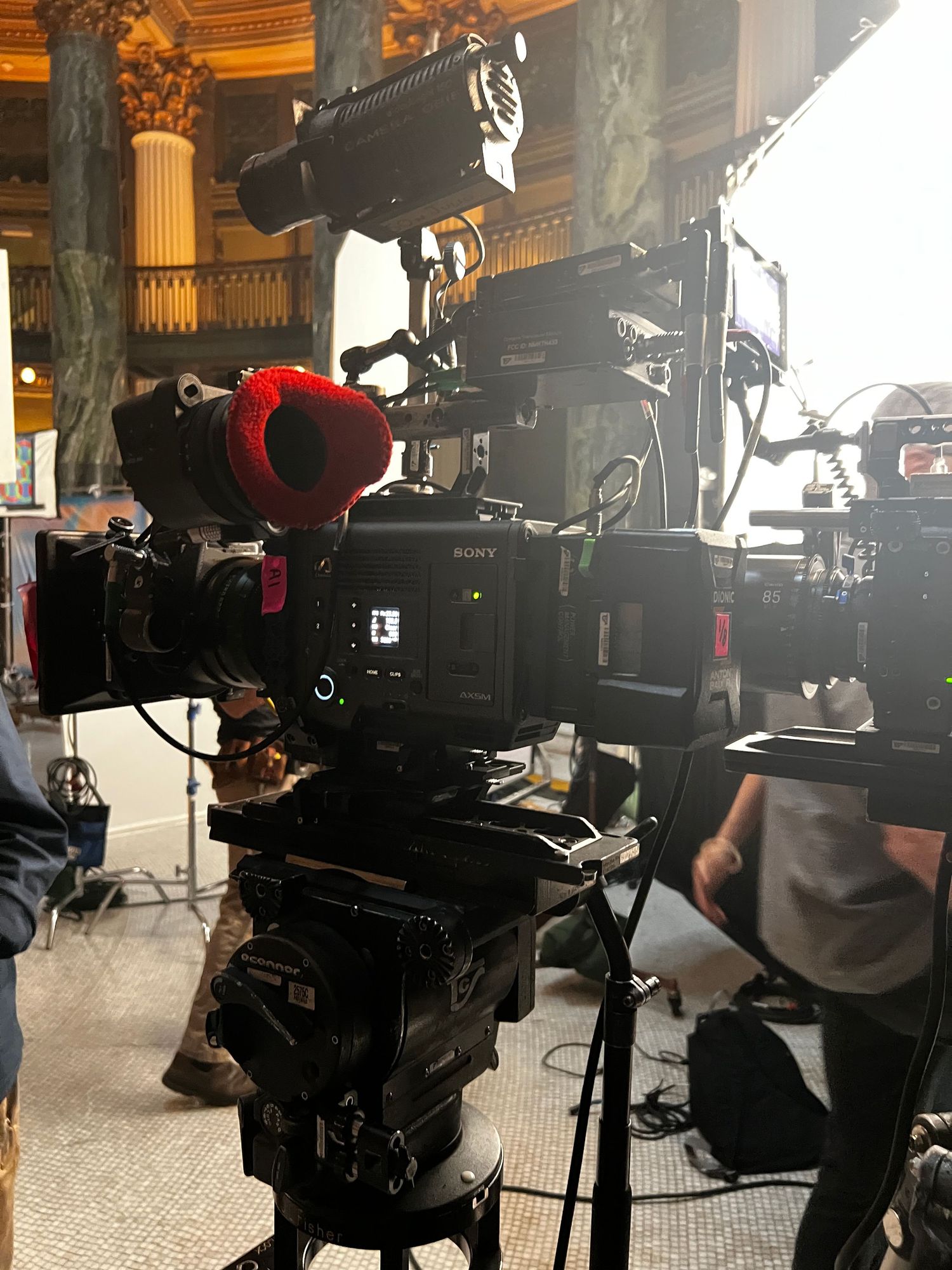
The New York City edition of the American Society of Cinematographers (ASC) Master Class was proudly sponsored by Sony Cine. Participants, including both crew and students, were thrilled to gain hands-on experience operating the Sony Venice 2 and Sony Rialto cameras throughout the day’s sessions with Fred Murphy, ASC, and Julio Macat, ASC.
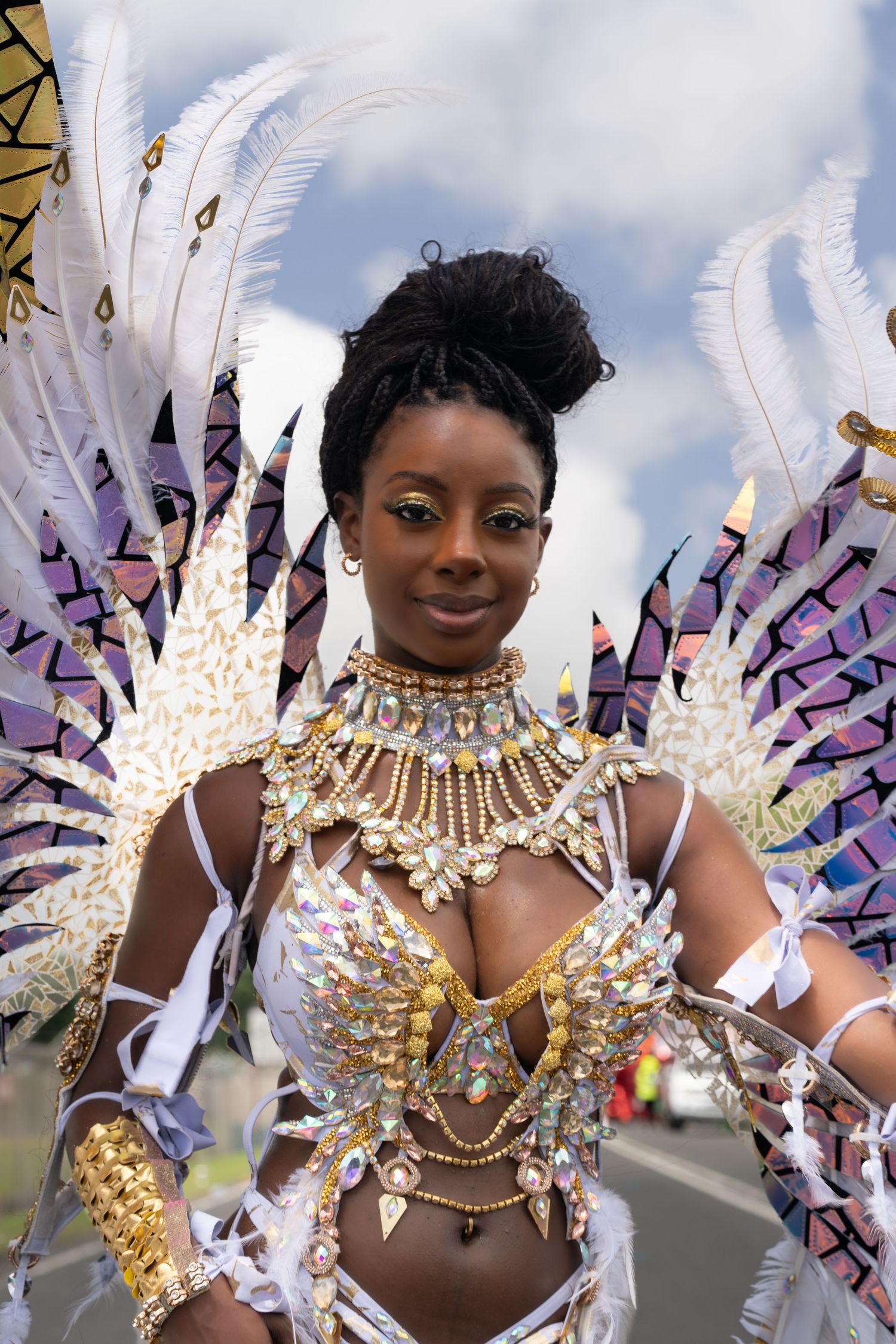
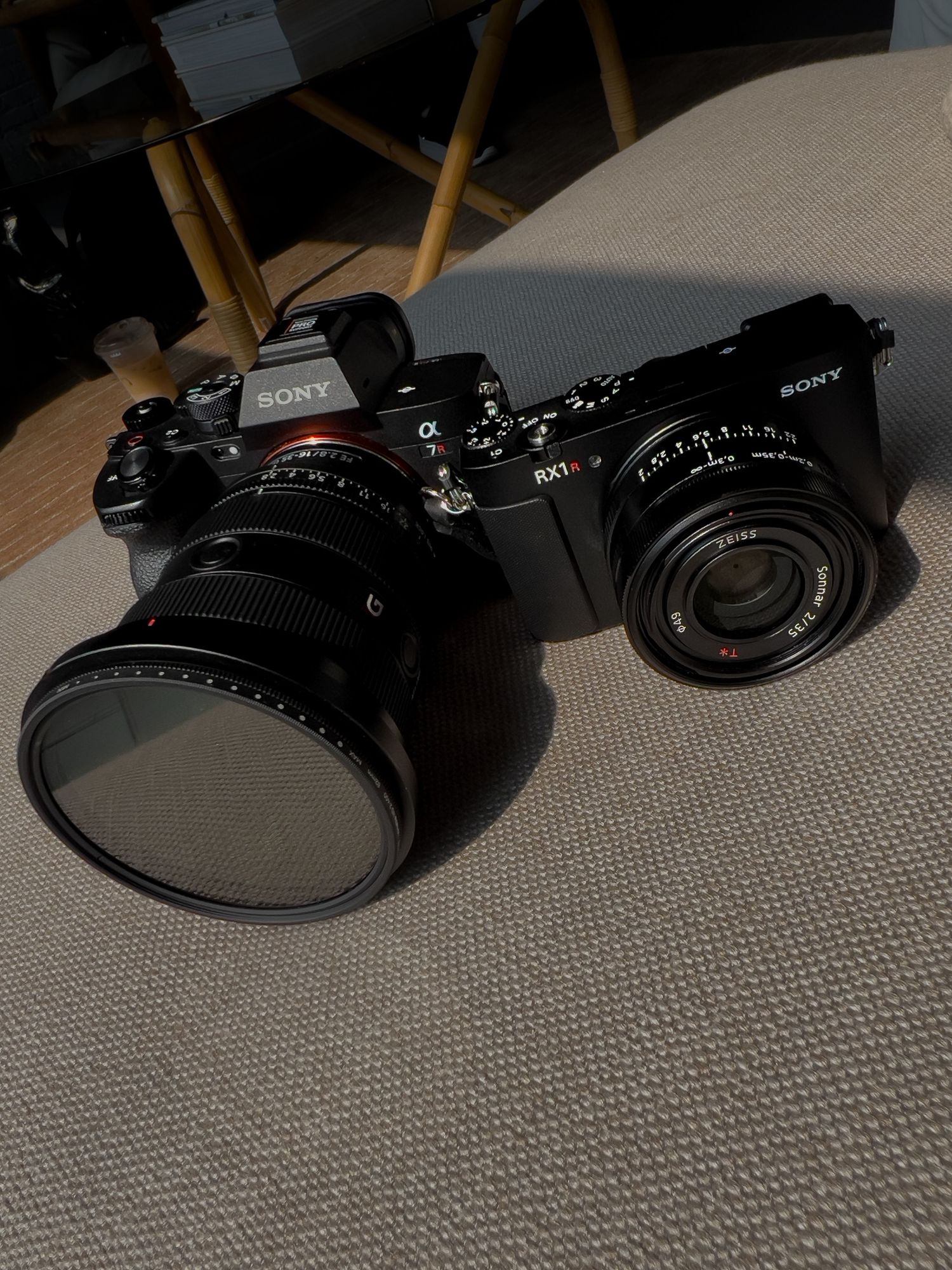
Before attending the Master Class, I had already been researching the distinctions among Sony’s Alpha, FX, and CineAlta product lines. As a stills photographer, I have extensive experience with Sony’s Alpha cameras, including the A7III, A7IV, A7C, A7RV, A1, and A1 II. These systems have consistently delivered exceptional results in portrait photography.
Seeking the cinematic in-body image led me to the Sony FX3A (long overdue, I admit). Since much of my work involves event coverage in fast-paced, run-and-gun environments, the FX3A has proven to be an ideal tool—offering a softer, more filmic image while maintaining flexibility and mobility. I was particularly excited to learn that the FX3 was used during the production of Severance Season 2 on Apple TV+, as well as in major motion pictures such as F1, where a custom variant of the FX3 sensor was employed to capture the tight, high-intensity scenes inside Formula 1 car cockpits.
Recently, I have been closely following the development of the Sony Burano. Having used both the FX3 and FX6 on creative projects, I am convinced that the Burano represents the next logical step in achieving a more refined and cinematic image that these previous models have led to.
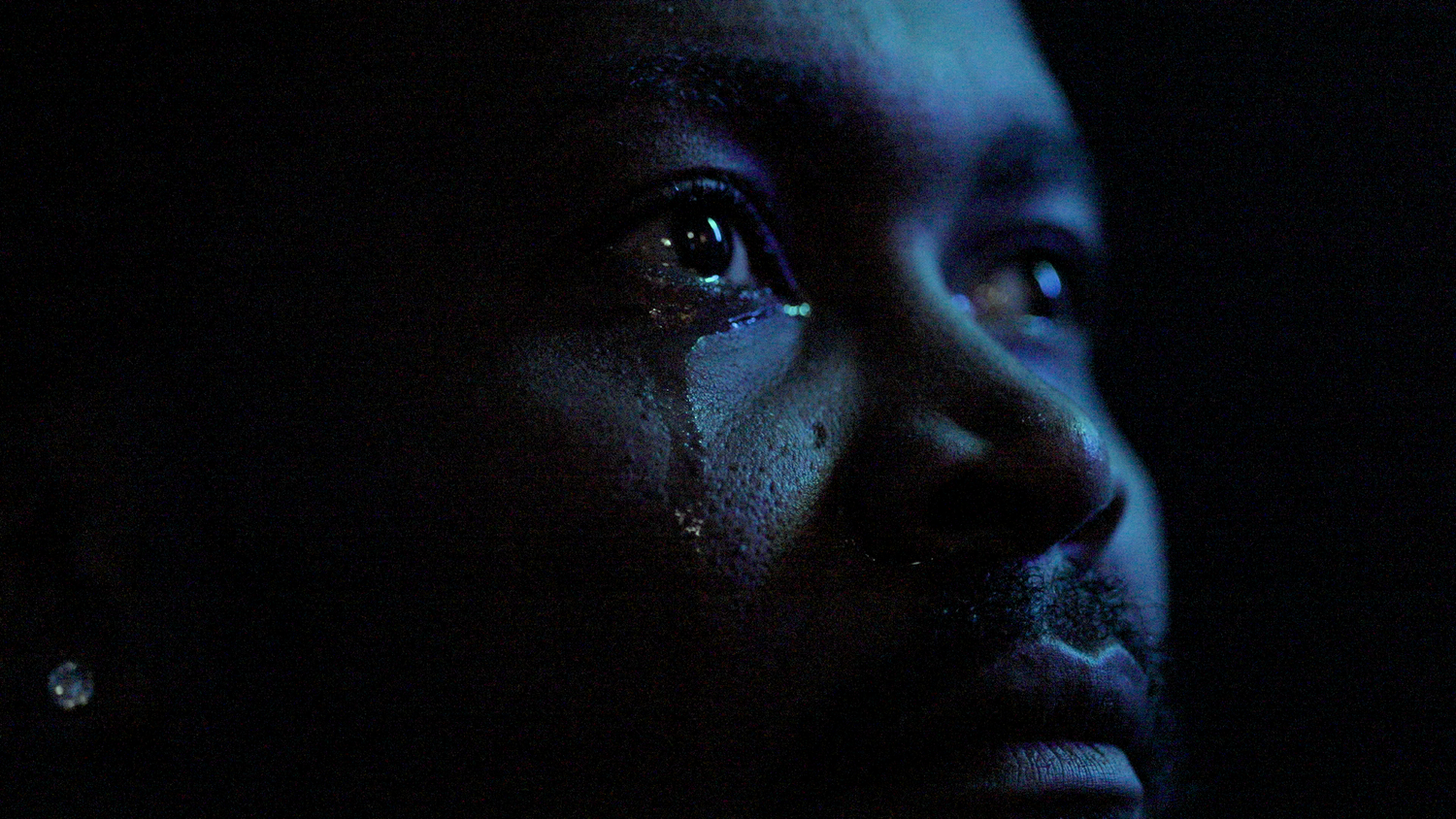
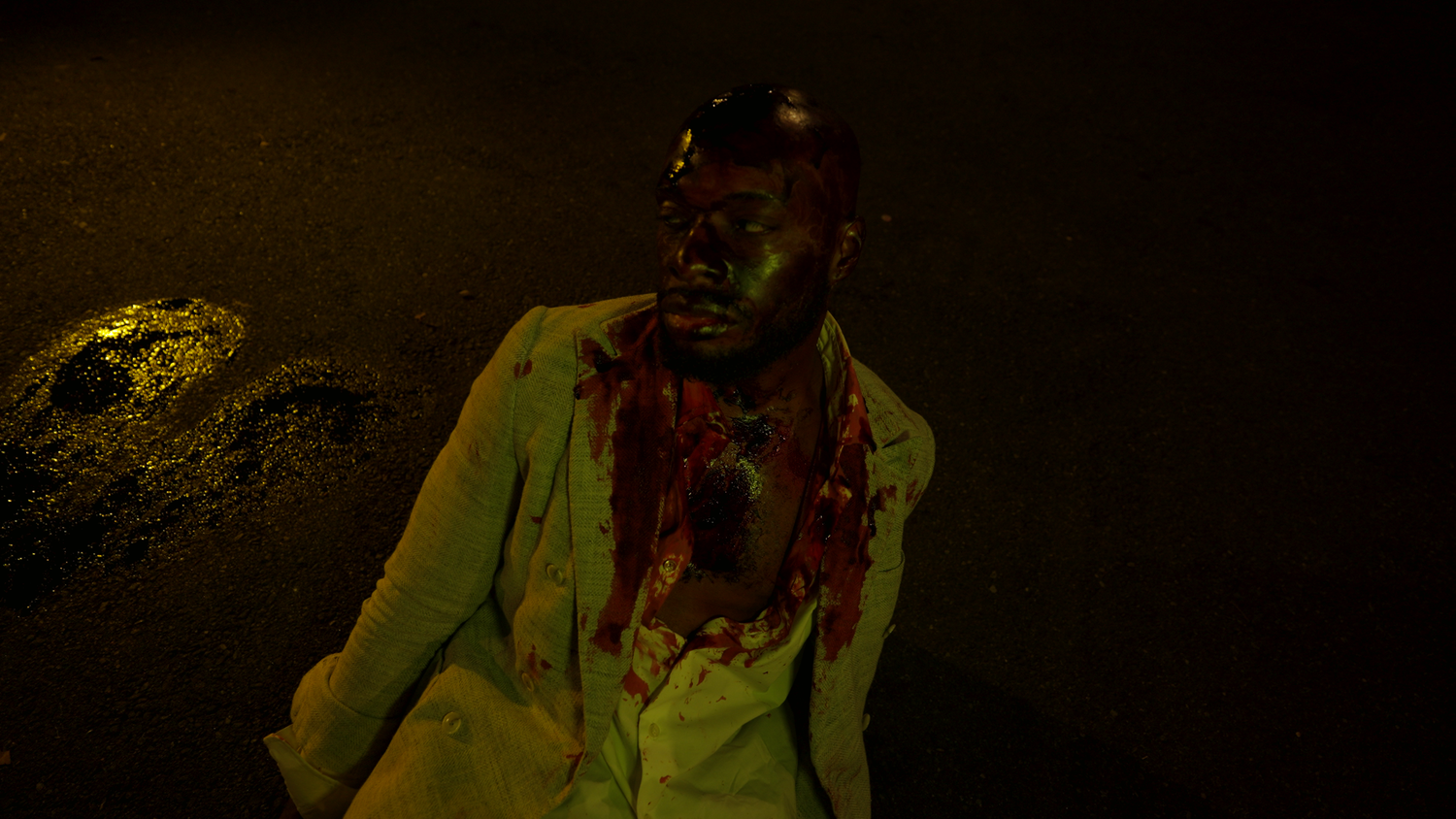
Below are two example images that illustrate my evolving use of Sony cameras. The first image was a collaborative effort with my colleagues Rae and Malicky. Rae served as gaffer and grip, while Malicky performed as talent. We captured that scene using the FX6. The second image was directed, shot, edited, and produced solely by me, using the FX3A. Both projects reinforced my admiration for Sony’s imaging systems and deepened my commitment to mastering the craft.
Overall, Sony’s continued innovation has played a significant role in my creative development, and I look forward to advancing both my technical and artistic skills as I pursue membership in the ASC.